Italy Jobs In Agriculture And Food Processing
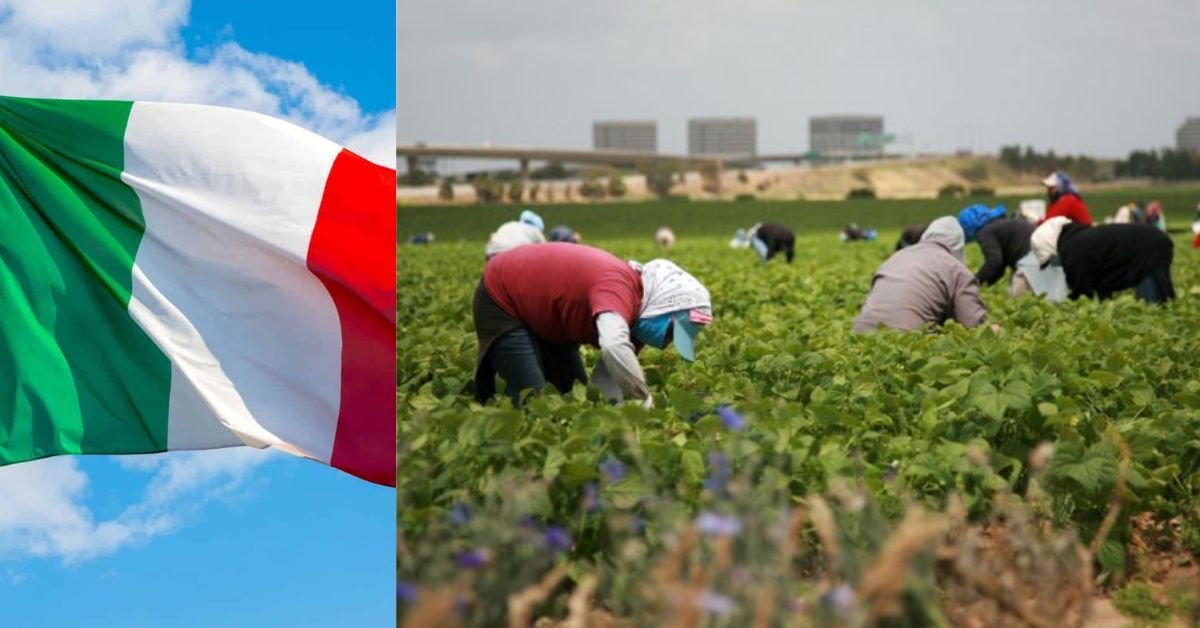
Italy has one of the world leading agri-food industry, which is known to produce quality products such as PDO certified wine, cheese and cured meat. This sector is one of the pillars of the national economy, and it is very robust and broadening its foreign scope at a high rate.
Italian agri-food exports have been at a historic high, surpassing a record value of over 70 billion Euros, and it has been abundant in high-value products and the trade is in the positive balance (Source: CREA 2024 Report). This steady economic health generates sustained and high demand of professionals as well as the seasonal necessary professionals.
Seasonal and entry-level agricultural employment (Lavoro Stagionale)
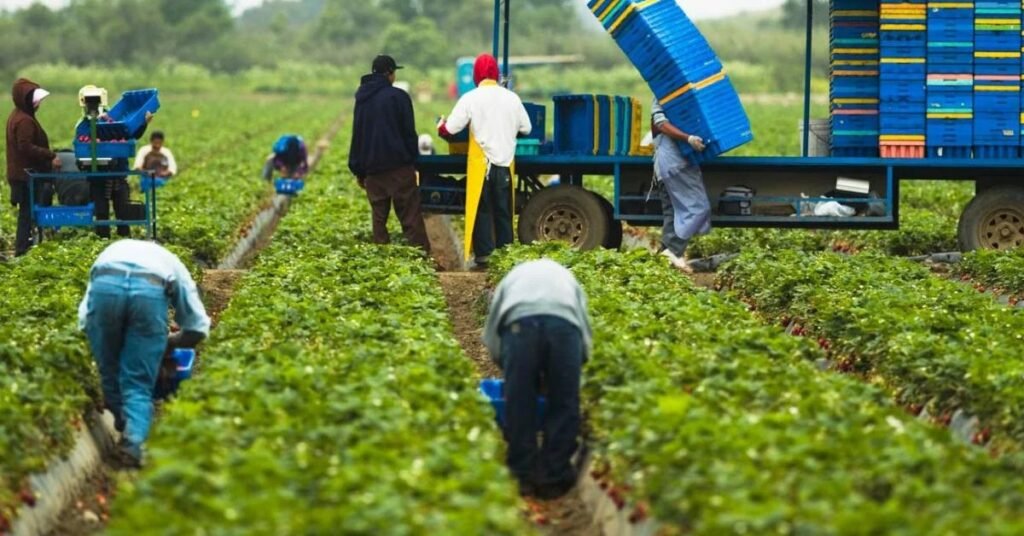
The Italian workforce in the agricultural sector is seasonal. The professions (Bracciante Agricolo) are in demand, have a large volume, and tend to be the most available opportunity when it comes to non-EU employees willing to work Lavoro Stagionale (seasonal work).
The Seasonal Work Reality and the Seasonal Pay
Work/Life: Work is very hard, according to agricola cycle. Some jobs, especially the ones acquired via the Decreto Flussi, may involve Alloggio e Vitto (accommodation and board/meals) which greatly lowers the costs of living.
- Pay: Wages are controlled by CCNL Agricoltura (National Collective Bargaining). An average entry-level salary of an Operaio Agricola is around 1173 to 1400 gross monthly, which is usually above the minimum salary of low-income earners (Source: Paylab, 2025 data).
Proficient jobs in the food processing sector (Industria Alimentare)
Italy is a leading producer in the Italian food industry. It is a manufacturing industry that provides stable employment all year round (Lavoro Subordinato), better pay, and demands certain technical expertise pertaining to Produzione (production).
High-Demand Food Processing
Technical & Production
- Operaio Alimentare (Food Industry Worker): Manufacturing on the general line, essential to Addetto al Confezionamento (packaging) and sorting. The median gross yearly salary is approximately at an annual rate of €24,718 (around an amount of, around, €1,500 – 2,000 gross monthly) as a first level employee (Source: ERI Economic Research Institute, 2025).
- Manutentore Meccanico/Elettrico (Maintenance Technician): Necessary in specialized equipment, such as Linee di Imbottigliamento (bottling lines).
- Magazziniere/Carrellista (Warehouse Worker/Forklift Driver): Logistics positions with finished goods. (Forklift license is required- Patentino Muletto).
Quality & Management
- Tecnologo Alimentare (Food Technologist): This needs a degree in the area of R&D, and food science.
- Controllo Qualita (Quality Control): This is necessary to meet the food safety requirements (HACCP/Certificazioni Igieniche).
- Responsabile di Produzione/Qualita (Production/Quality Manager): Top positions that control factory performance and safety.
- NLP-Based Clue: The search query related to Industria Alimentare is frequently accompanied by such terms as carni/cereali (meats/grains) and Acquisti/Procurement Manager, which suggests that they seek positions across the whole chain of supply.
The vital Visa Gateway: The Decreto Flussi
In the case of non-EU nationals, the acquisition of employment in the agri-food industry is regulated virtually through the annual quota of immigration (called Decreto Flussi Flows Decree). This is the law behind being able to receive a Visto Lavoro Stagionale (Seasonal Work Visa).
Important Visa Processing (Non-EU citizens) Steps
- Job Offer is Conditional: You must secure an Italian job offer with an employer ( Azienda Agricola factory or other Italian factories ) interested in hiring you first.
- Employer Applies to your Nulla Osta: The Italian employer requests the Nulla Osta (Authorization to Work) on your behalf, which must be within the quotas of the annual Decreto Flussi. The 2026 quota (the next anticipated cycle) is usually opened with a click day during the first months of the year, after the December Portal openings of employers.
- Visa Application: When you are accepted, you present your visa request at the Italian Consulate in your home country.Permesso di Soggiorno: When you arrive in Italy you have to request your Permesso di Soggiorno (Residence Permit) within eight days.
- E-A-T Compliance Notice: The Decreto Flussi is a very competitive one, where employers need to apply at the precise moment the portal becomes open (click day) in order to be assigned a quota place.
Agri-Food Job Finders and Applicants
It is important to know where to find the highest demand of the region and to use the appropriate Italian terms in order to be successful at securing a job.
Action Plan Job search Strategy
- Online Portals: Italian job boards (e.g. Subito Lavoro, InfoJobs IT) and geo-targeted keywords: Lavoro Stagionale Verona, Raccolta Uva Piemonte, Operaio Alimentare Lombardia.
- Direct Contact: Approach Azienda Agricola and Agriturismo enterprises face-to-face, especially in intensively-producing areas such as Emilia-Romagna (food processing, dairy) and Puglia (olives/grapes).
- Government/EU Channels: Search at the official Ministry of Interior portal and EURES listings that help in the process of Decreto Flussi.
FAQs
Should I speak Italian to be able to work in agriculture?
Though it is not always required to get any position as an entry-level Bracciante Agricolo, a basic knowledge of Italian can be a big boost. In professional positions (e.g., Tecnologo Alimentare or Responsabile di Produzione), one is expected to be proficient in professional Italian.
How many years is the average length of a seasonal contract?
The contracts are usually renewed with a period of 20 days to a maximum of nine months during a 12-month period depending on the harvesting season (e.g., Vendemmia).
Is it possible to make a seasonal work permit long-term approved?
Yes. Additionally, non-EU citizens who have also finished at least two consecutive years of seasonal work could switch their Permesso di Soggiorno per Lavoro Stagionale into a long-term Lavoro Subordinato permit, but subject to obtaining a qualifying long-term contract and conversion quota is open under the Decreto Flussi.
What are the most in demand Agri-Food workers regions in Italy?
The Northern Italy produces the greatest amount of stable Industria Alimentare factory labor in Northern areas such as Lombardy (dairy, processing), Emilia-Romagna (cured meats, tomatoes), and Veneto (wine, fruit). The most seasonal farm labor is provided in the southern regions (Puglia, Sicilia): Raccolta Olive, Raccolta Frutta.
What are the extra perks that usually come with a seasonal worker package?
It is usual that employers, especially those who recruit using the Decreto Flussi, will provide Alloggio e Vitto (subsidized or free accommodation and board) as a component of the salary package, which is a major way to compensate the low gross salary.
Final Thought
Agriculture and Food Processing opportunities in Italy are booming with exports that have all-time highs and local demand being high. Learning the key Italian language (Vendemmia to Operaio Alimentare) and working through the key process in the Decreto Flussi visa system, you will have placed yourself in one of the most enlivening and core economic industri The future is ripe—it’s time to apply!
Disclaimer
This job information is common for educational and informational intention only. The regulatory involve, including the Decreto Flussi quotas, point, and application processes, are set by the Italian government and can happening annually. Please confirm all details, including visa activity, official opening dates, and employer credibility, directly from the official Italian government or commission website before applying or qualification any financial commitments.