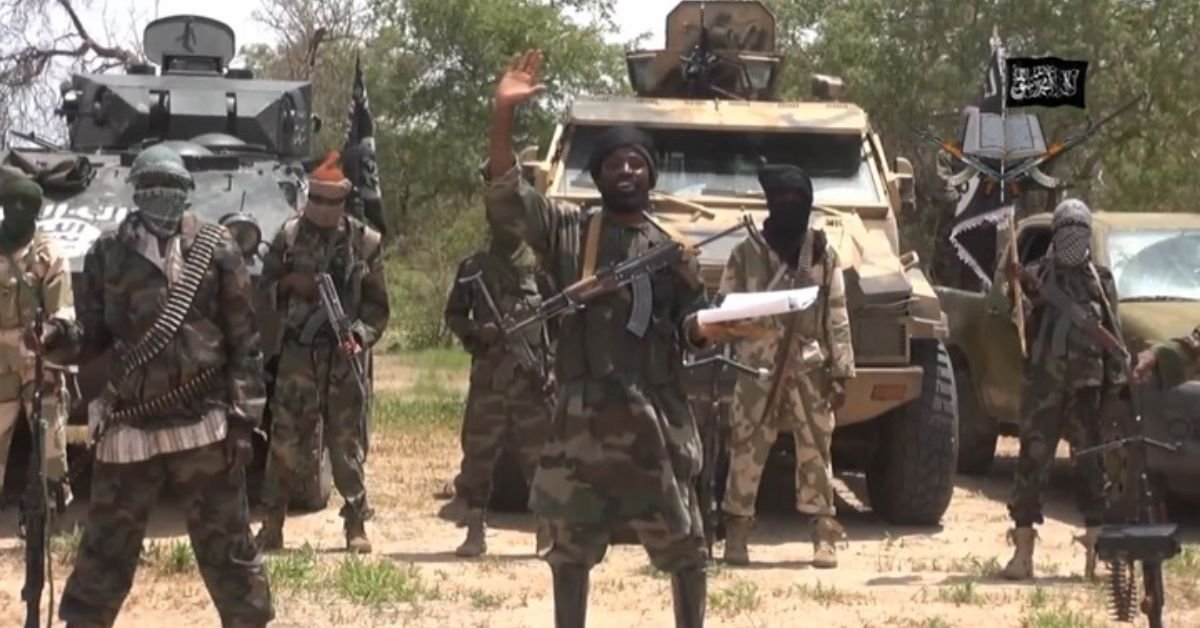
A harrowing look into the testimony of Fayina a Boko Haram escapee who details the brutal reality of forced labor religious persecution and the struggle for survival .
The Cost of Faith Fayinas Harrowing Escape from Boko Haram Servitude
The insurgency in Northeast Nigeria has left behind a trail of shattered lives but few accounts are as visceral as those coming from the survivors who managed to flee the forest strongholds of Boko Haram Among these voices is Fayina a young woman whose recent escape has shed new light on the groups systematic use of forced labor and religious coercion .
Her testimony is not just a story of survival it is a grim documentation of how the insurgent group utilizes slavery as a punitive measure against those who refuse to renounce their faith .
The Ultimatum Conversion or Servitude
For many captives taken during raids on rural communities the transition from prisoner to slave happens almost immediately upon arrival at the insurgent camps According to Fayina the militants operate on a rigid ideological framework Upon being captured victims are often presented with a binary choice convert to the groups extremist interpretation of Islam or face a life of brutal domestic and manual labor .
Also Read : Davidos Power Move Global Star Calls on Martell to Sign Carter Efe as Brand Ambassador
Fayina recounts that for those who remained steadfast in their original beliefs mostly Christians or Muslims who did not subscribe to the groups radical ideology the punishment was a descent into modern day slavery They told us that because we refused to follow their way we were now their property she explained This designation stripped them of any remaining rights turning human beings into tools for the maintenance of the camp .
Daily Life in the Shadow of the Forest
The conditions described by Fayina paint a picture of relentless physical and psychological exhaustion The slaves of the camp are responsible for the logistical survival of the militants Their duties typically include .
- Agricultural Labor Forced farming under the scorching sun to provide food for the fighters .
- Domestic Chores Cooking large quantities of food and washing clothes for hundreds of insurgents .
- Logistics Carrying heavy loads of looted goods or ammunition during movements between hideouts .
Food was scarce and medical care was non existent for captives Fayina noted that the psychological pressure was just as heavy as the physical labor Constant threats of execution served as the primary method of discipline ensuring that captives remained too terrified to consider disobedience or flight .
The Gendered Reality of Captivity
While men and boys are often conscripted as child soldiers or manual laborers women like Fayina face a layered form of exploitation In addition to the physical labor there is the constant threat of forced marriages a euphemism for sexual slavery .
Fayina’s account highlights that refusing to convert often meant being denied even the status of a wife relegated instead to a worker who could be traded or mistreated at will The dehumanization was total they were viewed not as people but as spoils of war .
The Journey to Freedom
The decision to escape is a gamble with death Many who are caught attempting to flee are executed publicly to deter others For Fayina the opportunity came during a moment of relative chaos possibly triggered by military pressure or internal shifts within the camps leadership .
Navigating the dense terrain of the Northeast is a feat in itself Escapees often travel for days without food or water avoiding main roads for fear of being recaptured by insurgent patrols or being mistaken for militants by security forces Fayinas successful arrival at a government controlled area marks the end of her physical captivity but the beginning of a long road to psychological recovery .
The Road Ahead Rehabilitation and Support
Fayinas story is a reminder that the defeat of an insurgency is not just measured in territory gained but in the restoration of the people affected by it Survivors of Boko Haram captivity often face significant hurdles when returning to society including .
1 Stigma Some communities remain wary of returnees fearing they may have been radicalized 2 Trauma The need for specialized mental health services to process the horrors of forced servitude 3 Economic Displacement Many survivors return to find their homes destroyed and their livelihoods gone .
The Nigerian government and various NGOs continue to work on deradicalization and reintegration programs but testimonies like Fayinas emphasize that for the victims the priority is justice and the basic means to rebuild a life stolen by extremism .
Disclaimer
The news information presented here is based on available reports and reliable sources Readers should cross check updates from official news outlets .