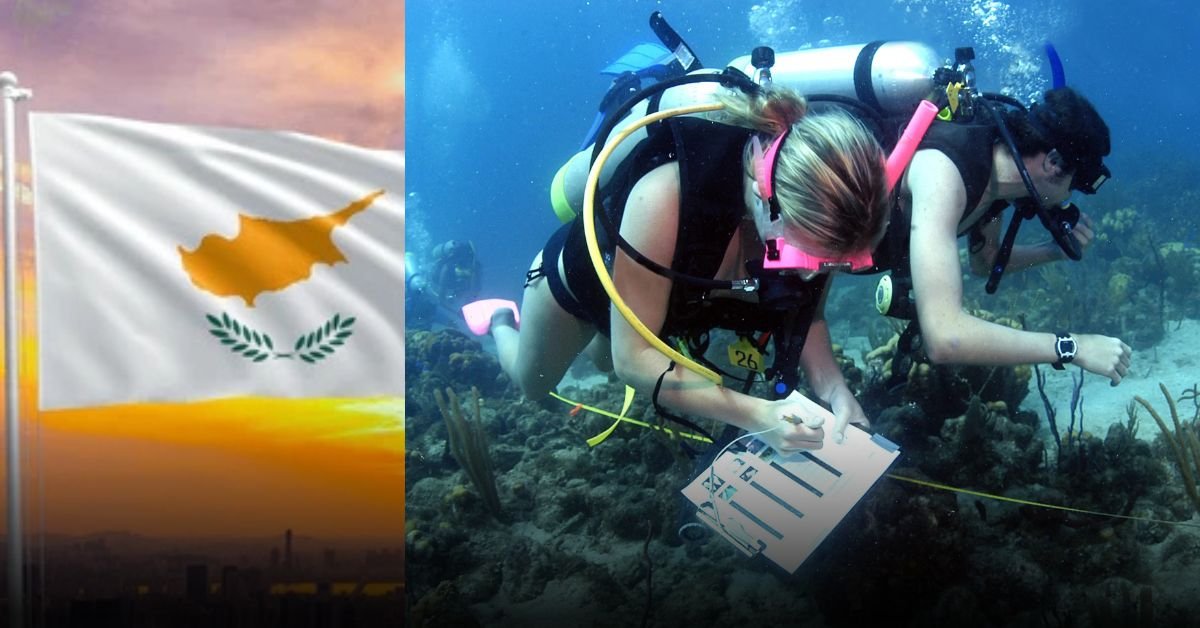
Imagine diving into the crystal-clear waters of the Akamas Peninsula, documenting the recovery of the Mediterranean Monk Seal, or mapping the vast seagrass meadows that act as the lungs of the Levant. For marine biologists and ecologists, Cyprus is no longer just a holiday destination—it is a frontline of environmental innovation.
As we move into 2026, the Cyprus “Blue Economy” strategy has created a surge in demand for international scientists. Whether you’re a recent graduate or a seasoned researcher, understanding the Cyprus 2026 visa process is your first step toward a career in Mediterranean conservation.
Core Visa & Immigration Framework (Cyprus 2026)
Cyprus has streamlined its immigration pathways for 2026 to attract “green” and “blue” talent. For non-EU scientists (Third-Country Nationals), there are three primary legal routes.
EU Blue Card for Cyprus in 2026
The EU Blue Card is the best choice for marine scientists who have high skills.
- You need a job contract with at least €43,632 per year as salary in 2026.
- Good things about it: It helps you get permanent stay faster. You can also move easier to other EU countries if your work takes you there.
Special Scientist Residence Permit
This permit is very good for people who do research at universities. If you work at the University of Cyprus (UCY) or the Cyprus Marine and Maritime Institute (CMMI), you will probably use this.
- You need a Hosting Agreement. This is a paper signed by the research place and you. It explains what research you will do and your work rules.
- How long it lasts: Usually one year at first. You can renew it easy for as long as your project goes.
Chance for People Who Start Businesses: Cyprus Startup Visa
If you make new technology for the sea, like tools with AI to find bad species that invade, you can use the Cyprus Startup Visa (for research). This lets you or your team start new ideas in places like Limassol or Nicosia. You get big help with taxes.
Jobs in High Demand for Marine and Ecology in 2026
In 2026, jobs in Cyprus focus on protecting from climate change. They also deal with “Lessepsian migrants”. These are animals and plants that come from the Red Sea through the Suez Canal and cause problems.
Here are some jobs that many people need:
- Marine Invasive Species Analyst: You watch and control fish like Lionfish and Silver-cheeked Toadfish.
- Benthic Ecologist: You work for companies that make energy from sea gas or wind. You check how it affects the bottom of the sea.
- Fisheries Research Officer: These jobs are often in the Department of Fisheries and Marine Research (DFMR). You help make fishing and fish farming safe and lasting.
- Coastal Ecosystem Scientist: You help fix areas with Posidonia oceanica seagrass and protect the Mediterranean Monk Seal.
These jobs are important because Cyprus wants to keep its sea healthy and use it in good ways.
Salary and Rules You Must Follow in 2026
To get a visa without problems, your job contract must follow the rules from the Civil Registry and Migration Department (CRMD) in 2026.
Here is a table with examples:
| Job Type | Expected Monthly Salary in 2026 | Minimum for Visa |
|---|---|---|
| Senior Marine Researcher | €3,650 or more | EU Blue Card |
| Environmental Consultant | €2,500 to €3,200 | Normal Work Permit for non-EU |
| Research Assistant (with PhD) | €1,800 to €2,200 | Special Scientist Permit |
You must also pay some required costs:
Bank Guarantee for Return
This is money you put in bank (about €300 to €850). It is to pay if you have to go back home. You get it back later. It is for people not from EU.
Stamp Duty
Small money for official stamps on your work papers.
Medical Tests
You need original tests for Hepatitis B and C, HIV, and Syphilis. Also a chest X-ray for Tuberculosis. These tests must be new, not older than 4 months.
These rules help make sure everyone is healthy and has enough money.
Skills and Knowledge About the Mediterranean That Help
People who hire in Cyprus, like the Marine & Environmental Research (MER) Lab and Enalia Physis, want certain skills:
- GIS and Remote Sensing: To make maps of protected sea areas like Natura 2000.
- SCUBA Diving for Science: Most jobs in the field need at least PADI Rescue Diver level or special science diving certificate.
- CTD and Ocean Tools: You must know how to use tools that measure water temperature, salt, and depth.
- Writing for EU Money: If you know how to ask for money from programs like LIFE+ or Horizon Europe, it helps a lot, especially for groups that are not government.
Having these skills makes you stand out. It shows you can do real work in the Mediterranean sea.
Best Places for Research and Main Employers
To find a job in 2026, look at these important places:
- CMMI in Larnaca: This is the main center for new ideas in sea and ships. It leads the Blue Economy.
- Oceanography Centre at University of Cyprus (UCY): The top school place for data about the Mediterranean.
- DFMR (Government): They control fishing and protect the sea.
- MER Lab in Limassol: A private group that does checks on how projects affect the environment (called EIA).
These places often have open jobs or projects. You can send your CV there or check their websites.
Many people start by contacting these hubs. They also join networks or go to meetings about marine science.
Step-by-Step Guide for Visa (For People Not from EU)
Here are the steps to follow:
- Get a Hosting Agreement: First, find a job and get the signed paper from a real research group in Cyprus.
- Get Recommendation from Labour Department: Your boss must show they looked for workers in Cyprus or EU first and could not find one.
- Apply for Entry Permit (Blue Slip): Do this at the Cyprus Embassy near you. You get a paper to enter the country.
- Register at CRMD: When you arrive, go to the Migration Department in 7 days. Give your fingerprints and apply for your residence permit (called Pink Slip sometimes).
Follow these steps carefully. It helps everything go smooth.
Ready to Start Your Journey in the Mediterranean?
The jobs in marine ecology in Cyprus are growing fast. But you need good science skills and to follow the rules carefully. If you match your skills to the 2026 EU Blue Card or other permits, and look at the right places, you can help protect the special life in the Mediterranean sea.
Many scientists find this work very rewarding. You live near beautiful beaches and help save important animals and plants.
Would you like me to make a simple list of documents you need for your visa? Or tell you about marine science meetings in Nicosia in 2026 where you can meet people?
Disclaimer:
This is just information to help you learn. Always check the latest rules from official places like the Cyprus Civil Registry and Migration Department or embassy websites before you decide anything.