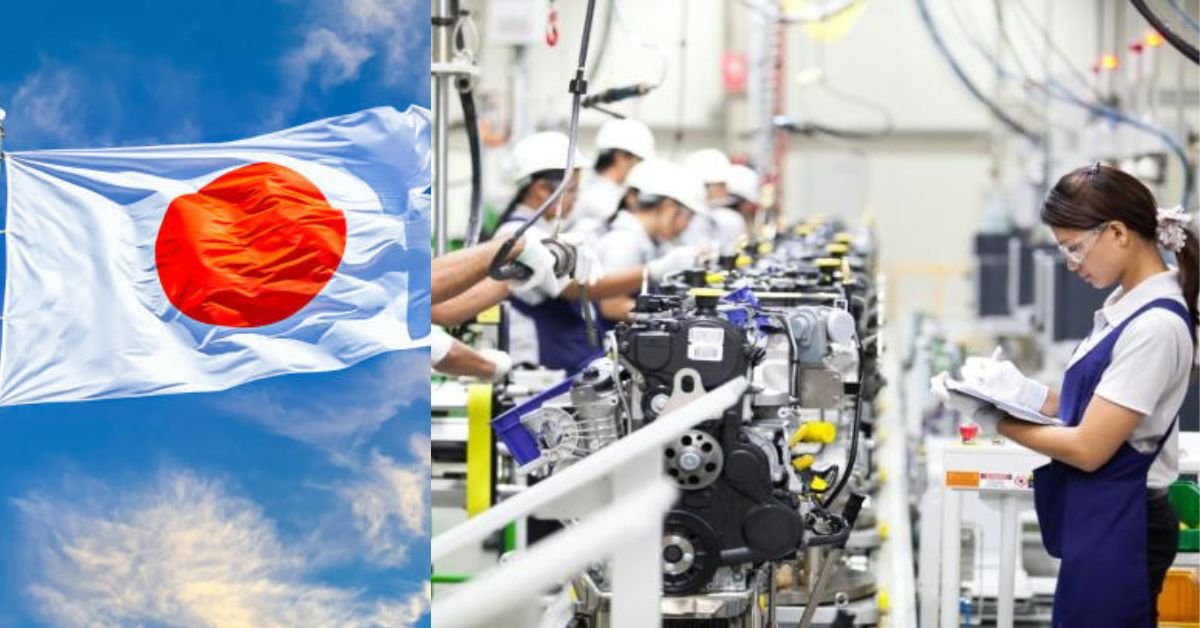
Japan Factory & Caregiver Jobs Visa 2026
Are you willing to begin a life-altering endeavor in one of the economies that are progressing in the world? By 2026, Japan has become more open than ever with the Specified Skilled Worker (SSW) program, or Tokutei Gino, as it is known domestically.
Japan is sponsoring thousands of foreign workers with a severe shortage of labor in the manufacturing and healthcare industries. It is a guide that makes the Factory and Caregiver paths (which are already in high demand) attainable by giving you the specifics, salary information, and updates related to 2026 to achieve success.
The 2026 Visa Landscape: What can Tokutei Gino be?
The SSW visa is a skills-based residency status. The SSW is based on your practical capability to do the job as opposed to your university degree, as is the case with traditional work visas.
Core Visa Categories
- SSW Type 1 (SSW i): The entry point. It will permit a 5-year residence in Japan. Although, in most cases you are not allowed to bring family members with you under this status, it is the basic initial step to most workers.
- SSW Type 2 (SSW ii): The long-term residency objective. By the year 2026, a good number of factory industries are now letting employees upgrade to Type 2 that comes with indefinite renewals and family reunification.
- The COE ( Certificate of Eligibility): It is the paper that your Japanese employer will apply locally. You have it and you are at the embassy where your visa is stamped without much trouble.
Manufacturing and Factory Employment in 2026
The manufacturing strength of Japan is based on the international talent. One of the most consistent sponsorship paths is the factory industry, which is also known as the Industrial Product Manufacturing in 2026.
Key Roles and Requirements
- High-Demand Jobs: Facility, machine activity, inspection and business content.
- Skills Test: You would be required to do the industry-specific Prometric Exam. The tests commonly take place in countries such as Philippines, Vietnam, Indonesia, and Nepal in 2026.
- Equal Pay Rule: Favorable correct of 2026, you demand to earn the selfsame salary as a individual in Japan of the same point.
- Industry Persona: The Shift Differentials (Yakin) that are being paid by many factories now, to night shifts, can add to your take-home pay 25 percent or more.
The Highest Demand Caregiver (Kaigo) Jobs
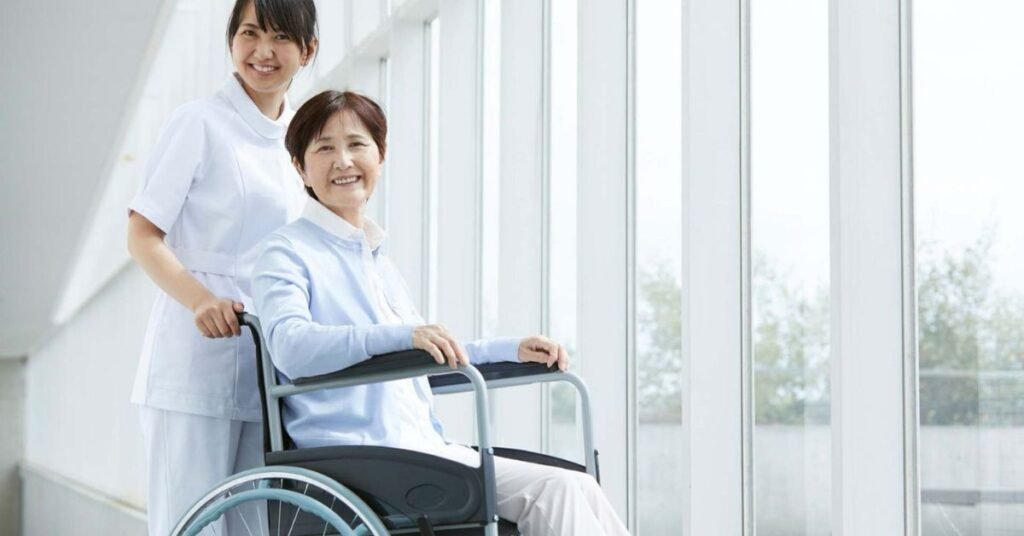
Japan has the oldest population in the world and therefore there is a high demand of Caregivers (Kaigo). The industry provides one of the strongest support programs to foreign employees.
The Pathway to Permanent Residency
Care giving is special as it is directly associated with a professional visa that is specific.
- The Kaigo Hurdle: You have to pass a Nursing Care Skills Evaluation Test and special Nursing Care Japanese Language Test.
- Certified Care Worker: You can change to a long-term Nursing Care Visa in case you pass the national exam (Kaigo Fukushishi) when you were staying there, this is to enable you to have the ability of bringing your family and permanently staying.
Compulsory Competencies in 2026
In order to be eligible to either sector in 2026, you are required to complete these three Gold Standards:
- Language: You should someone JLPT N4 or the FT-Basic. This will display that you are able to cope with day-to-day life and simple work directions.
- Health: In 2026, applicants of most of the Asian regions will be required to undergo a TB Screening and a medical check up as a mandatory request.
- Age: You should be 18 years and above. Although this has no maximum age, the majority of factory sponsors are willing to be sponsored by individuals who are less than 45.
FAQs
Is it possible to change a Factory job to Caregiver job?
Yes. Sectors can be changed, however, one has to pass the Nursing Care Skills Test. Japanese general exam does not have to be rewritten in case you have N4/JFT-Basic.
Is it necessary to have a university degree?
No. The SSW visa is solely dependent on the ability to pass the skill and language tests, thus open to the graduates of high schools.
What is the after tax take-home-pay on average?
A worker with an earned income of 220 000, once taxes and social insurance (Shakai Hoken) are taken is expected to accept home earnings of 175 000 -185 000.
Can I bring my family in 2026?
Upgrading to SSW Type 2 is the only way that the factory workers can bring family. Family can be invited by caregivers after becoming Certified Care Workers.
What is the length of time the process takes?
It takes you between 4 to 6 months, between passing your exams to landing in Japan.
Final Thought
The year 2026 is a milestone to the labor market in Japan. The dream of living in Japan has never been so real as SSW Type 2 was extended to manufacturing and there is a huge demand in Kaigo. The best course of action is to get yourself a SSW Type 1 visa and immediately start preparing to get the certifications that will grant you permanent residency.
Disclaimer
This is an informational and educative article. It is suggested that the readers should confirm the information provided by reliable authorities such as the Immigration Services Agency of Japan.