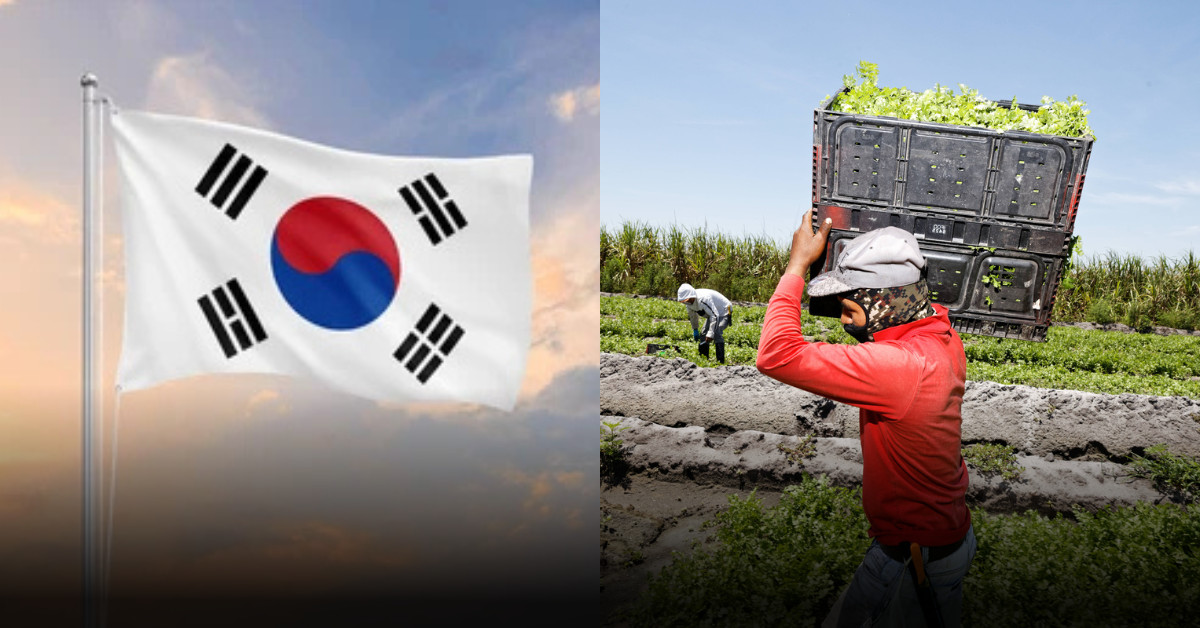
Do you want to work on farms in South Korea?
South Korea is a beautiful country with modern farms and peaceful villages. Many foreigners go there to work in agriculture. The Korean government also has programs like the Seasonal Worker Program (SWP) to bring foreign workers.
The year 2025 is a good time to apply. There are many farm jobs for foreigners. This guide will show you the step-by-step process to get a farm job in South Korea. You will learn about visas, job application, and how to start working on a farm.
Why Choose Farm Work in South Korea? A Land of Opportunity
South Korea is famous for technology, but farming is also very important. Many young Koreans move to big cities. That means farms need more workers.
Because of this, the government allows foreign workers to come and help. This opens many jobs every year. Working on farms also lets you see real Korean life.
Benefits of Farm Work in South Korea
- Good Pay: Wages are similar to Korean workers. Some farms pay extra for overtime. Many farms give free housing. This saves you money.
- Learn New Skills: You will learn how to use modern farming methods. This can help you in the future.
- Culture: You will see Korean village life, meet local people, and enjoy the countryside.
Your Essential Toolkit: Skills and Requirements for Farm Work
Farm work is usually simple work. You do not need high education or many years of experience. But you need to be healthy and ready for hard work.
Farming Skills and Strength
- Manual Work: You will plant crops, pick vegetables, and sometimes care for animals.
- Strong Body: Work is often outdoors. You must be strong and ready to work in sun, rain, or cold.
- Teamwork: You will work with other workers. Working together is important.
- Communication: A little Korean is helpful. English is also useful because some farms have international workers.
Other Requirements
- Age: Most workers must be between 18 and 39 years old.
- Health: You must pass a medical test. Many programs check for tuberculosis.
- No Criminal Record: You cannot have a criminal history.
Navigating the Visa Maze: Your South Korea Work Visa
The most important part is the visa. Without the right visa, you cannot work in South Korea.
E-8 Seasonal Labor Visa
- This visa is for short jobs in farms and fisheries.
- You can stay up to 8 months.
- Employers usually give housing.
- You will also get work accident insurance.
- Many workers are chosen through agreements between Korean and foreign local governments.
E-9 Non-Professional Employment Visa
- This visa is under the Employment Permit System (EPS).
- You can stay and work for almost 5 years.
- You must pass the EPS-TOPIK test. This test checks your Korean language skills.
- Sometimes, you also need a farming skills test.
- Employers choose workers from the EPS pool and sign a labor contract.
Your Step-by-Step Application Process: From Home to Farm
Here is how you can apply for farm jobs in South Korea step by step:
Step 1: Pre-Registration
- For the E-9 visa, you must register in your home country.
- Example: In Pakistan, workers register through OEC Pakistan.
- You must fill in forms and pay a fee.
Step 2: Language and Skills Test
- EPS-TOPIK: This is a Korean language test. You must pass it to enter the EPS pool.
- Skills Test: Some jobs ask for a skills test. You may need to show basic farming skills.
Step 3: Job Application and Employer Match
- EPS Pool: If you pass the tests, your name goes into a worker pool. Korean employers choose workers from this list.
- Direct Offer: For the E-8 visa, you may get a direct job offer from a Korean farm. The employer will apply for your visa.
- Agencies: You can also use trusted job agencies. They can help you find a farm job and prepare documents. Always use legal agencies.
Step 4: Visa Application and Approval
- CCVI: Your employer applies for a Certificate for Confirmation of Visa Issuance.
- Embassy Visa: With the CCVI, you go to the Korean Embassy or Consulate in your country. You apply for your visa there.
- Training: Some countries give training before you travel. Example: OEC Pakistan has 45 hours of training about language, culture, and safety.
Step 5: Travel and Start Work
- Arrival: When you land in South Korea, you must pass immigration checks.
- Alien Registration Card (ARC): If you stay for more than 90 days, you must apply for this card.
- Work Start: You go to your farm and begin work. Most farms are in rural areas like Gyeonggi-do.
Life as an Expat Farm Worker in South Korea
Working on a farm in South Korea is very different from working in a city.
- Housing: Most farms give free housing near the workplace.
- Salary: Pay is good compared to the low cost of living in villages. With free housing, you can save money.
- Community: Many foreign workers live in the same area. You can make friends and join groups.
- Culture: You will eat Korean food, take part in village life, and learn Korean customs.
Important Considerations for 2025
- Check Updates: Rules can change. Always check the official websites like HiKorea and the Ministry of Employment and Labor.
- Contracts: Always read your contract before signing. Make sure it shows salary, hours, and benefits.
- Know Rights: Learn your rights as a worker. Korean law protects foreign workers too.
Conclusion: Your Korean Farm Adventure Awaits!
Farm jobs in South Korea are a good chance in 2025. The process is clear:
- Register in your country.
- Pass language and skills tests.
- Get a job offer.
- Apply for the visa.
- Travel and start work.
With this job, you can earn money, learn farming, and enjoy Korean culture. Many foreigners save money and gain experience through these jobs. If you prepare well, you can begin your own Korean farm journey soon.