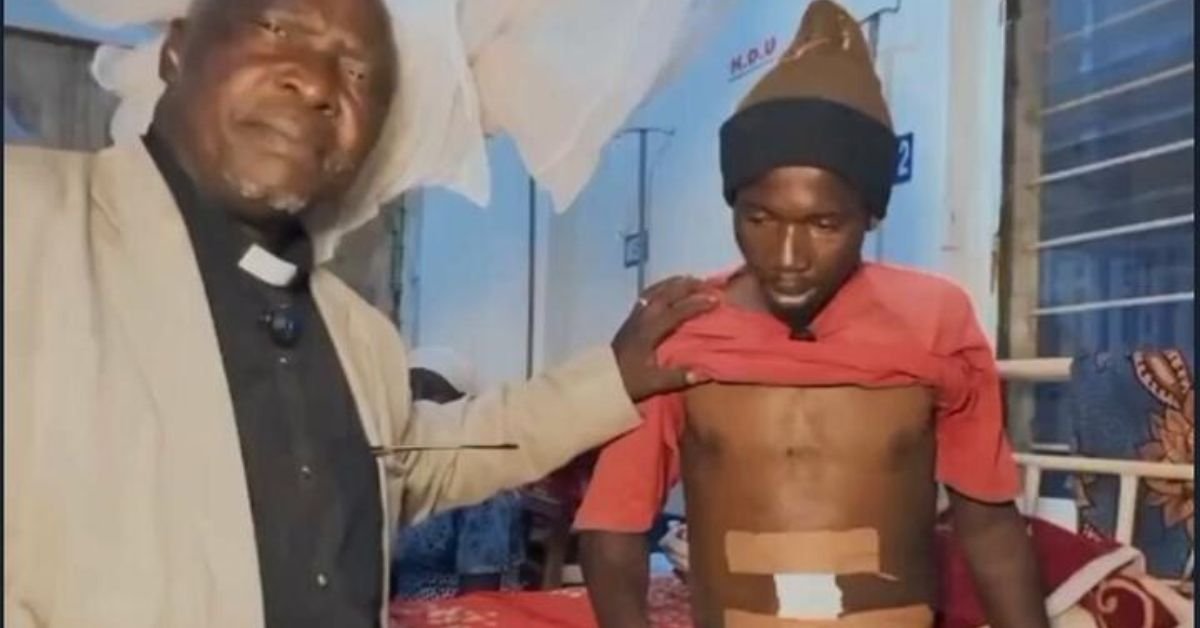
The word genocide is often treated as a cold academic term used in international law or political debates However behind the statistics and legal definitions lie the shattered lives of individuals whose experiences defy human comprehension One such testimony attributed to a survivor named Dachomo provides a visceral haunting image of the lengths to which the human spirit will go to cling to life When he was shot his intestines came out he gathered them back and started running .
This single sentence encapsulates the raw brutality of systematic violence It strips away the clinical nature of warfare and forces the reader to confront the physical and psychological agony of those targeted for extermination .
The Anatomy of Survival
The account provided by Dachomo is more than just a graphic description of a physical injury it is a testament to the biological imperative of survival In the midst of a genocidal campaign the victims body and mind enter a state of extreme shock and adrenaline .
Medical experts often note that in moments of catastrophic trauma the fight or flight response can push the human body beyond its normal physiological limits For an individual to physically hold their own internal organs while continuing to flee highlights a level of desperation that is difficult for those in peaceful societies to imagine It illustrates a world where the environment has become so hostile that even the most basic physical integrity is compromised yet the will to live persists .
Genocide as a Tool of Dehumanization
Genocide is distinguished from other forms of conflict by its intent the total or partial destruction of a specific group based on ethnicity religion or race The violence described in Dachomos account is a direct result of dehumanization .
Also Read : Osimhen Praises Onuachus Impact and Shifts Focus to Nigerias Next AFCON Challenge
When a group is targeted for genocide they are no longer viewed as human beings by their aggressors This psychological shift allows perpetrators to commit acts of extreme cruelty such as shooting a person at such close range or with such high caliber weaponry that it causes the trauma described This level of violence is designed not just to kill but to terrify to humiliate and to leave a lasting scar on the collective memory of the surviving community .
The Burden of the Survivor
For survivors like Dachomo and the individual described in the testimony the end of the physical violence does not mean the end of the trauma The running does not stop when the wound is stitched Survivors of such extreme brutality often carry .
- Complex PTSD The recurring mental image of ones own mortality and the physical violation of their body .
- Survivors Guilt The heavy emotional weight of wondering why they survived while others did not .
- Physical Disability Long term complications from injuries that were treated under duress or without proper medical facilities .
The testimony serves as a bridge between the victims silence and the worlds awareness By sharing these harrowing details survivors ensure that the world cannot turn a blind eye to the reality of what occurred .
Why We Must Document the Graphic Reality
There is often a tendency to sanitize history to make it more palatable for public consumption However the raw nature of Dachomos quote is necessary for several reasons .
1 Countering Denial Genocidal regimes often attempt to erase the evidence of their crimes Graphic firsthand accounts provide an undeniable record of the truth 2 Legal Evidence Such testimonies are crucial in international courts to establish the intent to destroy and the scale of the cruelty involved 3 Preventative Education Understanding the true horror of genocide serves as a warning It reminds us of the consequences when hatred is allowed to go unchecked in a society .
A Call for Global Accountability
The story of the man running while holding his intestines is a metaphor for the state of many post conflict societies They are running toward a future trying to rebuild while literally holding the pieces of their broken lives together .
The international community has a Responsibility to Protect R2P When we hear testimonies like those from Dachomo it should serve as a catalyst for action It is a reminder that Never Again must be more than a slogan it must be a commitment to intervention justice and the restoration of human dignity .
Disclaimer
The news information presented here is based on available reports and reliable sources This article discusses sensitive and graphic topics related to human rights abuses and genocide readers should cross check updates and historical data from official news outlets and international human rights organizations .